What Are Common Signs of Mold?
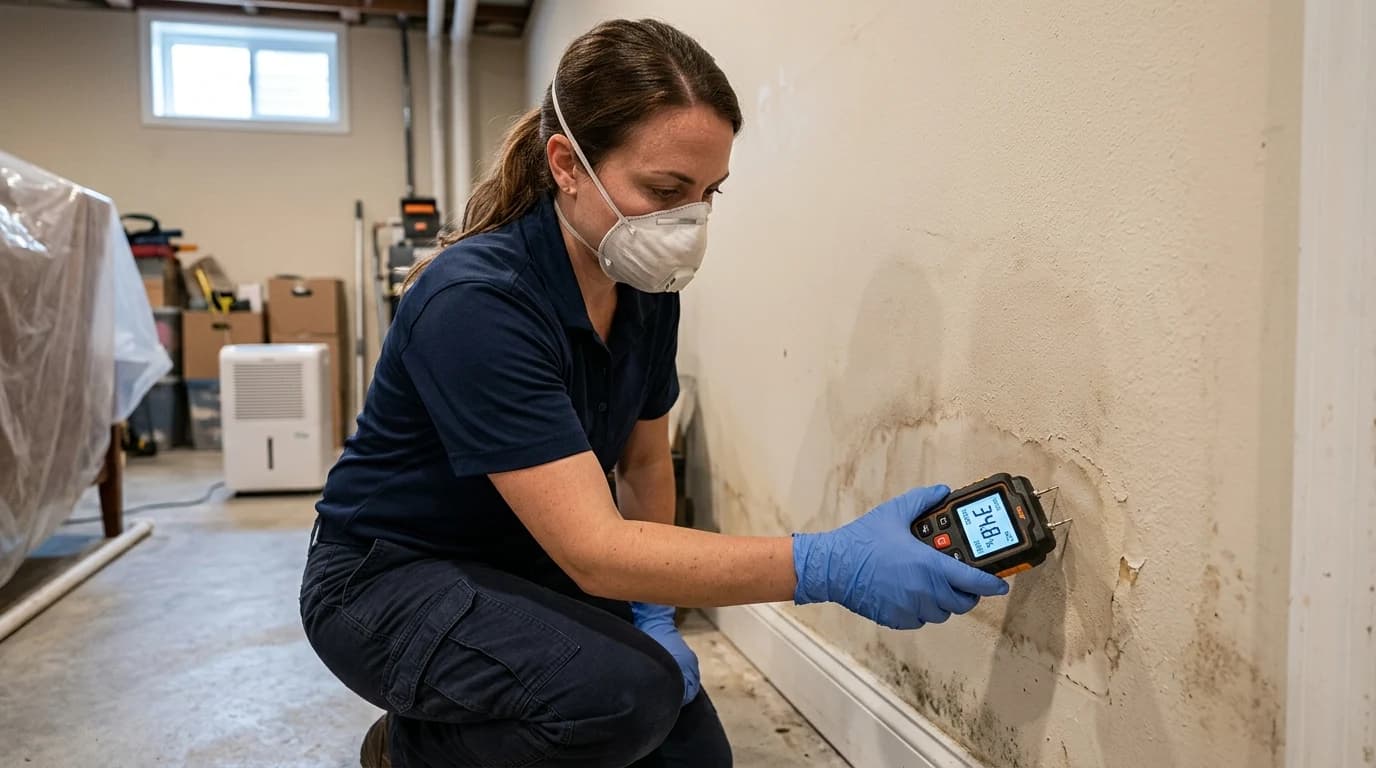
Common early signs of mold include musty odors, visible spots on walls or ceilings, and increased humidity levels. It's crucial for homeowners in Fair Lawn to regularly inspect areas prone to moisture, such as bathrooms and basements, for any discoloration or water damage. Mold often starts in hidden places, such as behind wallpaper, under carpets, or inside air ducts. Peeling paint, warped walls, and persistent condensation are also indicators that moisture is present, which could lead to mold. Identifying these signs early can prevent the mold from spreading and causing structural damage. Additionally, pay attention to any allergy-like symptoms that worsen when you're at home, as mold spores can aggravate respiratory issues.
How to Use Your Senses to Detect Mold?
Your sense of smell is often the first alert to mold presence. A persistent musty smell in a particular area of your home may indicate hidden mold. This odor, often compared to the smell of wet socks or rotten wood, can be a strong indicator even if mold isn't visible. Visual inspection can also reveal mold, often appearing as black, green, or white spots. These spots can vary in size and may look fuzzy or slimy. Mold can grow on any organic surface, including wood, fabric, and drywall, so be thorough in your inspection. If you suspect mold, contacting a service like Fair Lawn Mold Removal can provide professional inspection and peace of mind. Professionals use advanced tools and techniques to locate mold in hard-to-reach areas, ensuring that any mold presence is thoroughly addressed.
What Tools Can Help in Detecting Mold?
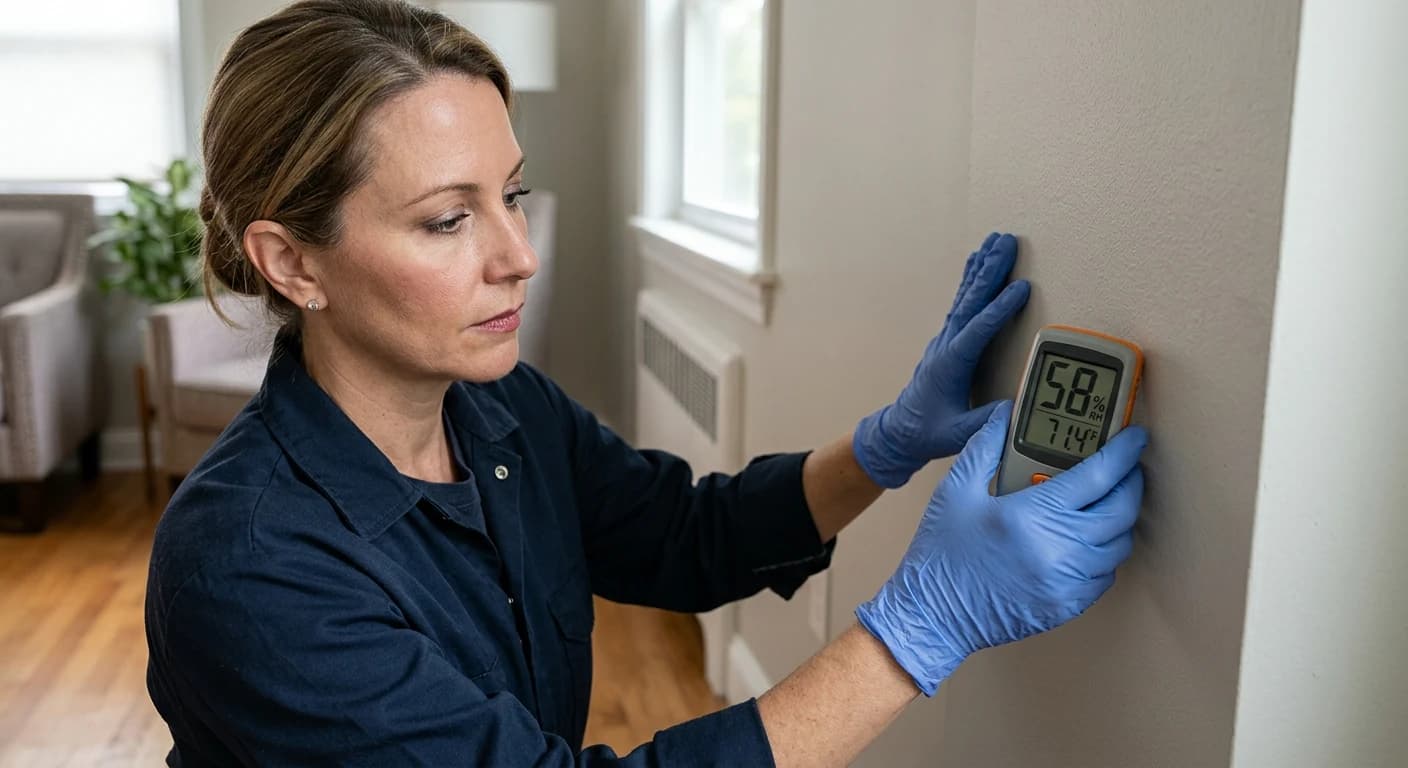
Homeowners can use moisture meters to detect moisture levels in walls and floors, which can indicate potential mold growth. These devices are especially useful in identifying areas where water has penetrated building materials. Hygrometers can also measure humidity levels, helping identify areas at risk. Ideally, indoor humidity should be kept between 30% and 50% to prevent mold growth. Regular checks with these tools can help catch mold before it becomes a serious problem. Additionally, infrared thermography can be employed to detect temperature differences in walls and ceilings, which can highlight moisture pockets invisible to the naked eye. For a more comprehensive assessment, consider using home test kits available at hardware stores; these kits can identify mold spores in the air, but for accurate results, professional lab analysis is recommended. By combining these tools with regular inspections, you can maintain a healthy and mold-free home environment.
Preventive Measures to Avoid Mold Growth
Preventing mold growth starts with controlling moisture levels in your home. Ensure that all areas prone to moisture, such as bathrooms and kitchens, are well-ventilated. Installing exhaust fans can help remove excess humidity from these spaces. Regularly check for leaks in plumbing and roofing, as even small drips can lead to mold growth over time. It's also important to clean and repair gutters to prevent water from seeping into your home. Use dehumidifiers in damp areas like basements to keep humidity levels in check. Additionally, consider using mold-resistant products when renovating or building, such as mold-resistant drywall or paint. These products can provide an extra layer of protection against mold. Keep your home well-insulated to prevent condensation on walls and windows, which can create a breeding ground for mold. By taking these preventive measures, you can significantly reduce the risk of mold taking hold in your home.
When to Call a Professional Mold Inspector
While DIY methods can be effective for minor mold issues, certain situations require professional intervention. If you notice a persistent musty odor or visible mold covering a large area, it's wise to contact a mold inspection service. Professionals have the expertise and equipment to assess the extent of mold growth accurately. They can reach areas that are difficult to inspect, such as inside walls or under flooring. In Fair Lawn, NJ, where humidity levels can fluctuate, a professional inspection can provide peace of mind and ensure that all mold is detected and addressed. Additionally, if you or family members experience unexplained health symptoms, such as persistent coughing or skin irritation, it could be linked to mold exposure. A professional can conduct air quality tests to identify mold spores and other allergens. By involving experts, you not only ensure thorough mold removal but also protect your family's health and your home's structural integrity.
How to Safely Remove Mold Yourself
If you've identified a small mold issue that you feel comfortable handling yourself, it's important to approach the task with caution to ensure safety and effectiveness. Start by equipping yourself with the right protective gear: gloves, goggles, and an N95 respirator mask to avoid inhaling mold spores. Ensure the area is well-ventilated by opening windows or using fans. For cleaning, use a mixture of water and detergent or a commercial mold remover. Avoid using bleach on porous surfaces as it may not penetrate deeply enough to kill all the mold. Gently scrub the affected area with a brush, taking care not to spread spores. Dispose of any contaminated materials, such as rags or sponges, in sealed plastic bags. After cleaning, dry the area thoroughly to prevent mold from returning. Remember, if the mold covers more than 10 square feet, it's best to call professionals to handle the cleanup. Always prioritize your safety and the health of your home environment.
The Importance of Regular Home Maintenance
Regular home maintenance plays a crucial role in preventing mold growth and ensuring a healthy living environment. Start by scheduling routine inspections for water leaks and structural damage, especially in areas prone to moisture like basements and attics. Check your home's plumbing system for leaks or corrosion, and repair any issues promptly. It's also essential to maintain your HVAC system, as mold can thrive in air ducts if not regularly cleaned. Replace air filters every few months to ensure proper air circulation and reduce moisture buildup. Inspect your roof and gutters, ensuring they are clear of debris to prevent water from pooling and seeping into your home. Additionally, consider seasonal tasks such as sealing windows and doors to prevent drafts and condensation. By keeping a checklist of these maintenance tasks and addressing issues as they arise, you can significantly reduce the risk of mold and protect your home's integrity over time. Regular upkeep not only helps in mold prevention but also enhances your property's value and comfort.
Understanding Mold's Health Impacts
Mold exposure can have significant health implications, particularly for individuals with pre-existing respiratory conditions or weakened immune systems. Mold spores, when inhaled, can trigger allergic reactions such as sneezing, runny nose, red eyes, and skin rashes. In more severe cases, exposure can lead to asthma attacks or chronic respiratory issues. It's important for homeowners to be vigilant, especially in environments where mold is likely to thrive, such as humid climates or poorly ventilated areas. If you notice symptoms that improve when you're away from home, it might be time to investigate potential mold issues. For those living in Fair Lawn, NJ, where seasonal humidity can fluctuate, maintaining a dry and well-ventilated home is crucial. Regularly cleaning air ducts and using HEPA filters can help reduce airborne spores. If you suspect mold is affecting your health, consult with a healthcare professional and consider having your home inspected by mold specialists. Addressing mold promptly not only safeguards your health but also prevents further damage to your home.
The Role of Insurance in Mold Remediation
Navigating the complexities of insurance coverage for mold remediation can be challenging, but it's an essential step in managing mold issues effectively. Most standard homeowners' insurance policies cover mold damage only if it is a result of a covered peril, such as water damage from a burst pipe. However, damage due to neglect or lack of maintenance is typically not covered. It's crucial to review your policy details and understand the specific conditions under which mold damage is covered. If you're purchasing a new policy, inquire about additional mold coverage options, especially if you live in a mold-prone area. Document any incidents of water damage and the steps you take to address them, as this can be critical if you need to file a claim. In some cases, insurers may require proof that you have taken preventive measures, such as installing dehumidifiers or repairing leaks promptly. By understanding your insurance policy and keeping thorough records, you can ensure that you're prepared to handle mold issues without facing unexpected financial burdens.