Why Is Mold Dangerous?
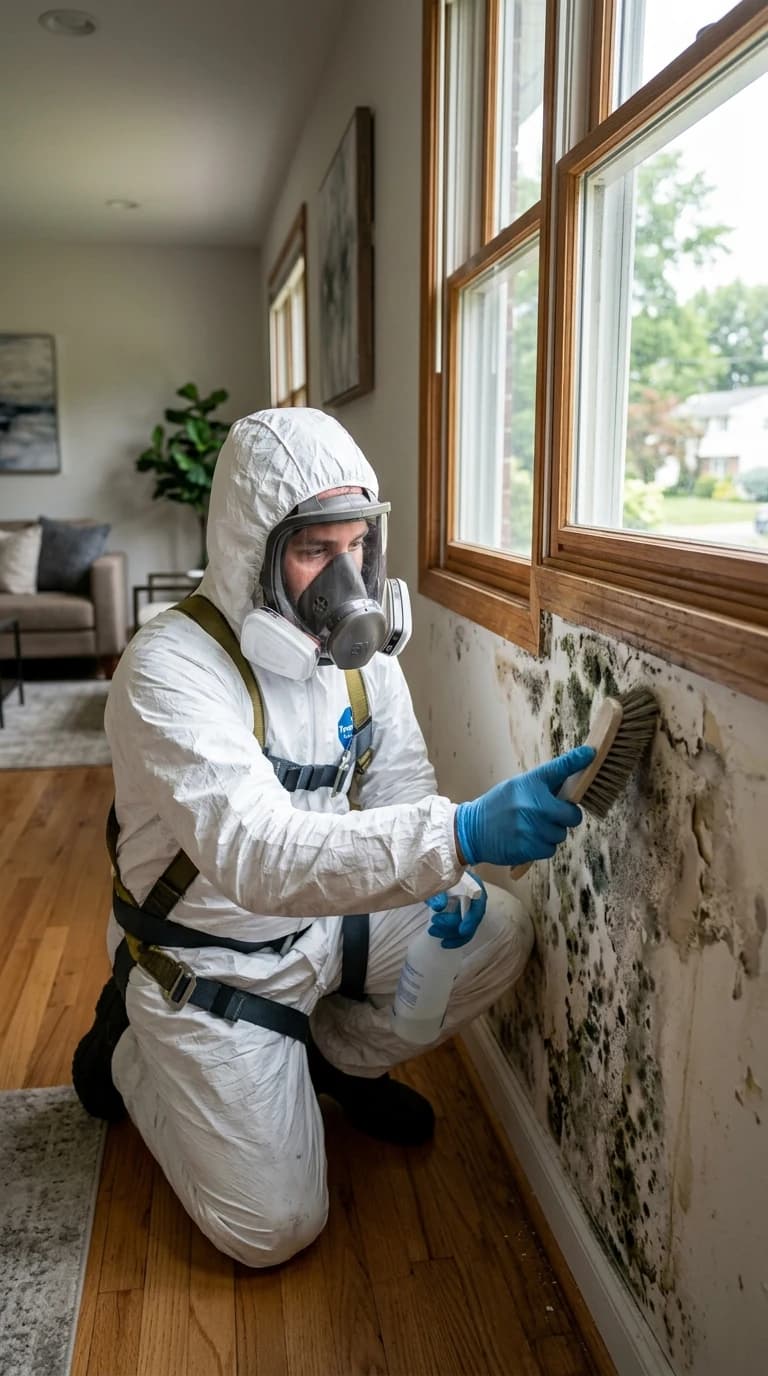
Mold produces allergens, irritants, and potentially toxic substances known as mycotoxins. Exposure to mold can lead to a variety of health problems, including respiratory issues, allergies, and even infections. For individuals with asthma, mold exposure can trigger severe asthma attacks. Children and the elderly are particularly vulnerable to mold-related health issues due to their less robust immune systems. In regions like Fair Lawn, where humidity levels can be high, mold can thrive and become a significant health hazard. This is because mold spores require moisture to grow and spread. Bathrooms, basements, and kitchens are common areas where mold can develop due to the consistent presence of moisture. Understanding the risks associated with mold exposure is the first step in addressing any potential mold problem. Regular inspection and maintenance, such as repairing leaks and ensuring proper ventilation, can help prevent mold growth.
How Can Mold Affect Your Home's Structure?
Mold can cause significant damage to the structure of your home if not treated effectively. It feeds on organic materials such as wood, drywall, and wallpaper, which can lead to the weakening of these materials over time. This can compromise the structural integrity of your home, leading to costly repairs. In New Jersey, where moisture levels can fluctuate, this issue is especially concerning. Mold can thrive in hidden areas like behind wallpaper, under carpet, or inside walls, where it can grow undetected for long periods. This makes it crucial to address any signs of mold promptly. Regular home maintenance, including checking for leaks in roofs, windows, and plumbing fixtures, can help prevent mold from taking hold. If you notice signs of mold, such as a musty odor or visible growth, it's important to contact a professional, such as Fair Lawn Mold Removal, to assess the damage and begin remediation. Professionals have the tools and expertise to identify mold sources and effectively remove them, preventing further damage.
What Are the Long-Term Effects of Ignoring Mold?
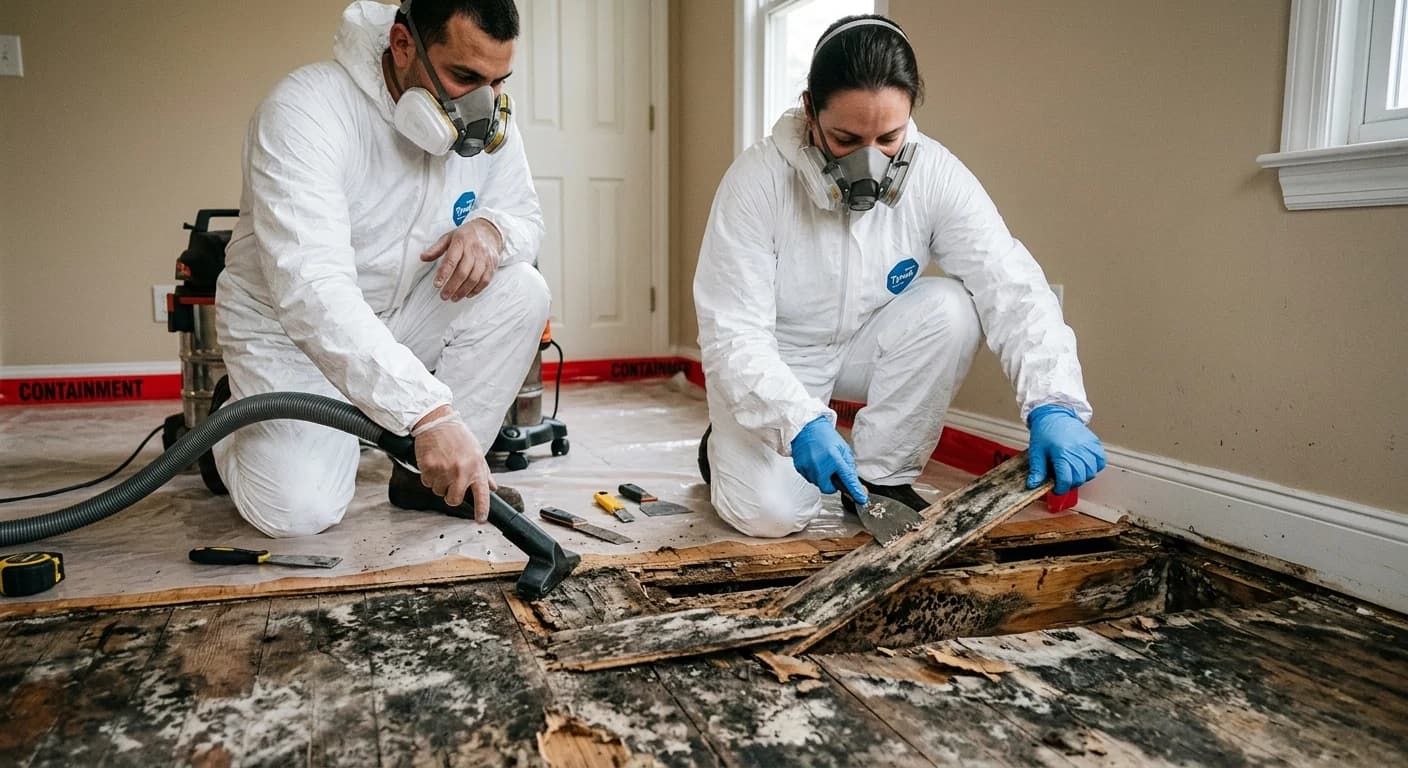
If left untreated, mold can spread throughout the home, causing widespread damage and making remediation more complex and costly. Mold spores can travel through the air and attach to various surfaces, exacerbating the problem. Over time, the presence of mold can lead to increased health risks, particularly for those with pre-existing health conditions such as asthma or allergies. Prolonged exposure to mold can lead to chronic respiratory problems, persistent headaches, and skin rashes. In addition, untreated mold can contribute to poor indoor air quality, which can affect the overall well-being of all occupants in the home. The financial impact of ignoring mold can also be significant. As mold continues to grow, it can cause extensive damage to the home’s structure, necessitating expensive repairs or even complete renovations. Furthermore, if you plan to sell your home, mold issues can significantly reduce its market value. Hence, early detection and remediation are crucial to prevent escalating problems. Regular inspections and maintenance, such as using dehumidifiers and ensuring proper ventilation, can help mitigate mold risks.
Effective Mold Prevention Strategies
Preventing mold growth is a proactive approach that can save homeowners from the hassle and expense of remediation. One of the most effective strategies is controlling moisture levels in your home. This can be achieved by using dehumidifiers, especially in damp areas like basements and bathrooms. It's also crucial to ensure proper ventilation throughout the house. Installing exhaust fans in kitchens and bathrooms can help reduce humidity levels. Regularly inspecting your home for leaks is another key preventive measure. Check roofs, windows, and plumbing fixtures for any signs of water intrusion and address them promptly. Additionally, using mold-resistant products during construction or renovation, such as mold-resistant drywall and paint, can provide an extra layer of protection. In Fair Lawn, where humidity levels can fluctuate, these measures are particularly important. Moreover, cleaning and drying any water-damaged areas within 24 to 48 hours can prevent mold from taking hold. By implementing these strategies, homeowners can minimize the risk of mold growth and maintain a healthy living environment.
When to Call a Professional Mold Remediation Service
While some mold issues can be managed with DIY solutions, there are situations where professional intervention is necessary. If the mold covers an area larger than 10 square feet, it's advisable to contact a mold remediation specialist. Professionals are equipped with the tools and expertise to handle extensive mold infestations safely and effectively. They can conduct thorough inspections to identify hidden mold sources that might not be visible to the untrained eye. Moreover, if you or your family members are experiencing persistent health issues, such as allergies or respiratory problems, it might be time to seek professional help. Mold can exacerbate these conditions, and a professional service can ensure complete removal, improving indoor air quality. In cases where mold is found in HVAC systems, it's crucial to hire experts to clean and remediate the system to prevent spores from spreading throughout the home. By engaging a professional service, homeowners can ensure that mold is effectively removed, reducing the risk of recurrence and safeguarding both the health of the occupants and the integrity of the home.
DIY Mold Remediation: When and How to Tackle It Yourself
For smaller mold issues, particularly those affecting areas less than 10 square feet, DIY remediation can be a cost-effective solution. Start by equipping yourself with the necessary protective gear, such as gloves, goggles, and a mask, to avoid direct exposure to mold spores. Next, identify the source of moisture that is contributing to mold growth and address it immediately. This might involve fixing a leaky pipe or improving ventilation in a damp area. Once the moisture issue is resolved, use a mixture of water and detergent to scrub mold off hard surfaces. For porous materials like carpets or ceiling tiles, consider replacing them if they are heavily infested. It's important to dry the area thoroughly after cleaning to prevent mold from returning. Additionally, using a HEPA vacuum can help remove mold spores from the air and surrounding surfaces. Remember, safety is paramount; if at any point the mold problem seems too extensive or if you experience health symptoms, it's crucial to consult a professional. DIY methods are best suited for minor infestations, and when done correctly, they can effectively manage mold without the need for professional intervention.
Understanding Mold Types and Their Implications
Mold comes in various types, each with its own characteristics and potential health implications. Understanding the type of mold you're dealing with can help in determining the appropriate remediation strategy. Common household molds include Cladosporium, Penicillium, and Aspergillus, which are generally less harmful but can still cause allergic reactions and respiratory issues. However, toxic molds like Stachybotrys chartarum, often referred to as black mold, can pose more serious health risks, including severe respiratory problems and neurological symptoms. Identifying the type of mold can be challenging without professional testing, but certain visual cues can help. For instance, black mold often appears as dark greenish-black patches, while other types might be green, white, or even pink. Regardless of the type, any mold growth should be addressed promptly to prevent health complications and damage to your home. If you suspect toxic mold, it's advisable to contact a professional for testing and remediation. In regions like NJ, where diverse mold types can thrive due to varying humidity levels, being informed about mold varieties can empower homeowners to take timely and effective action.